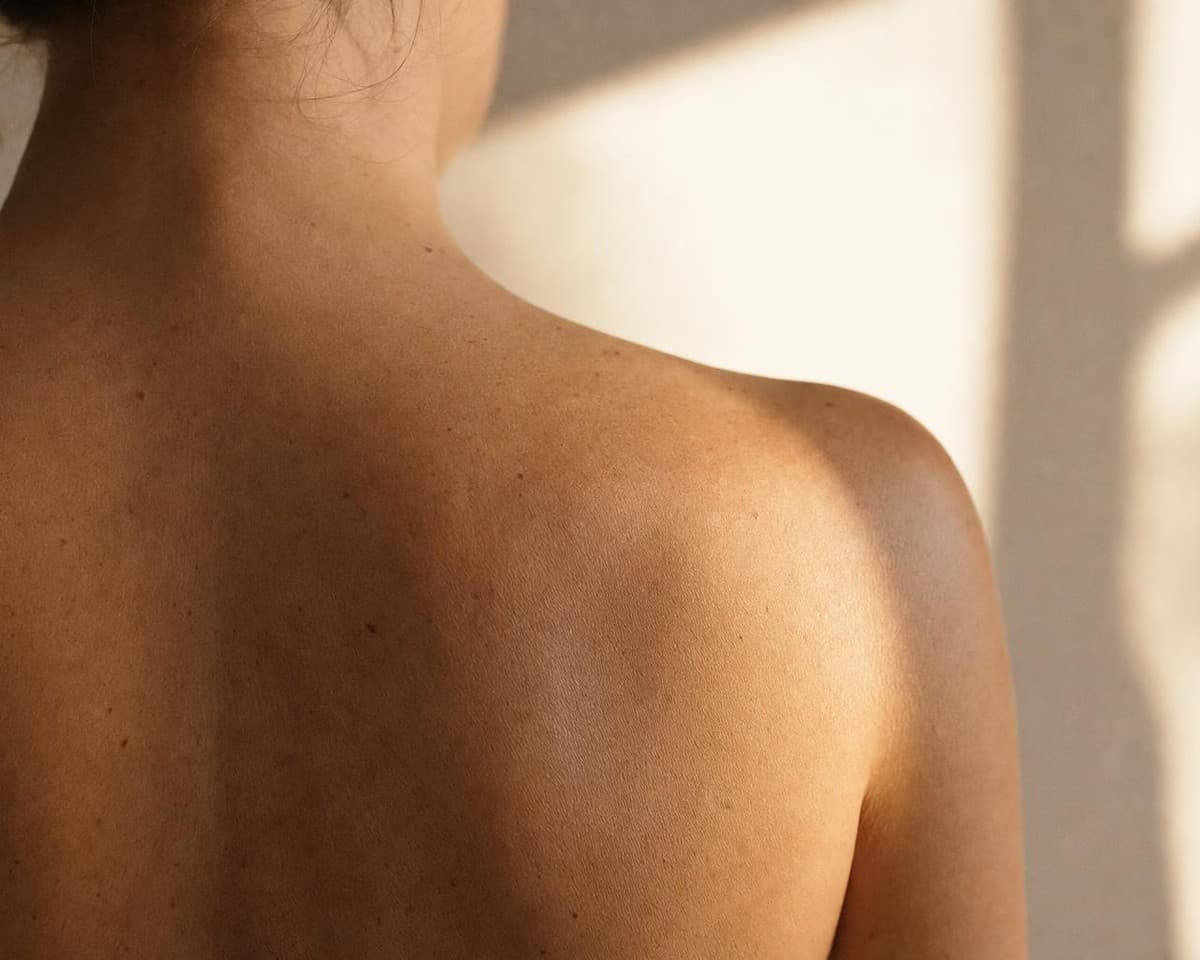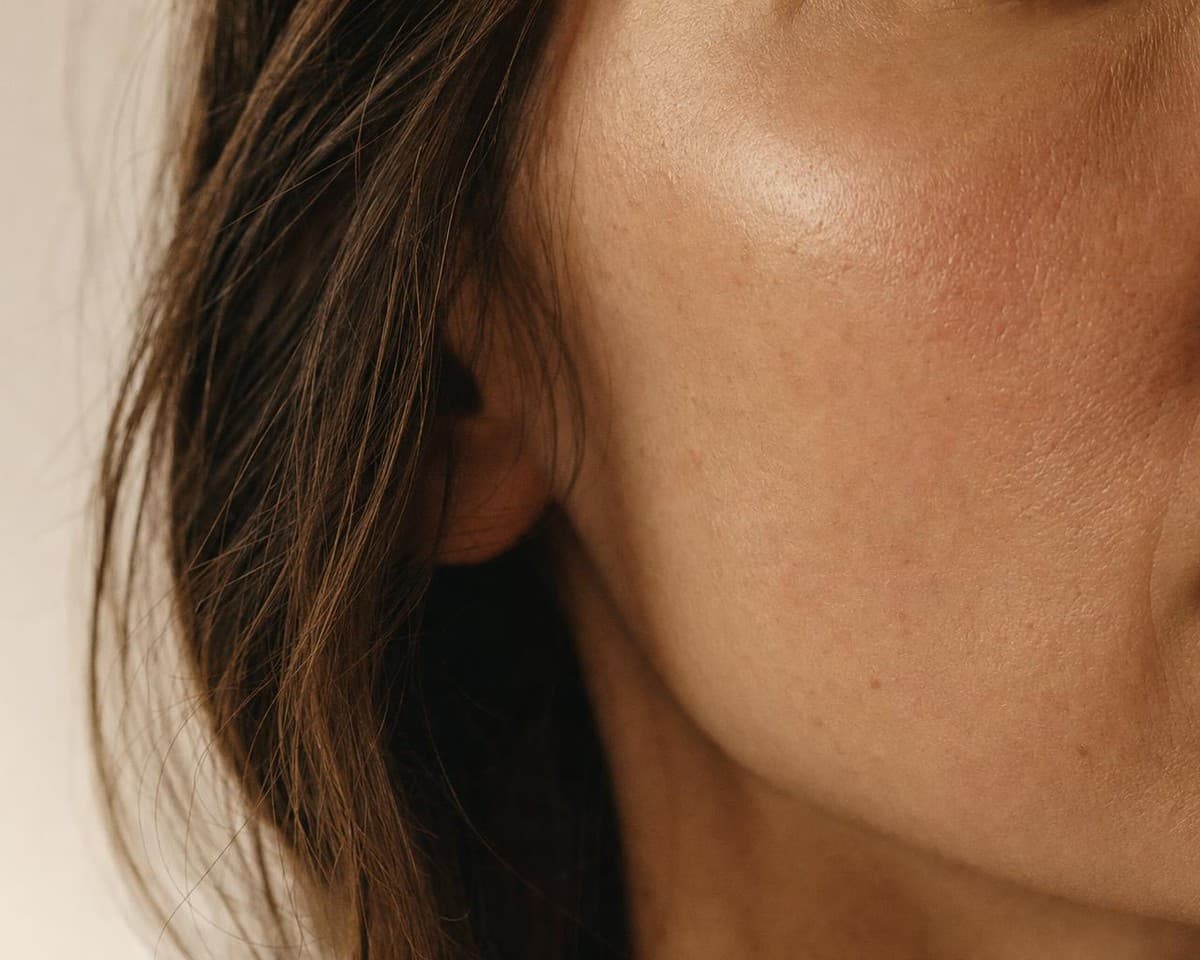
Every November and December, we see a noticeable uptick in eczema visits. The reason isn't mysterious — Brooklyn winters are uniquely hard on skin. Outdoor air drops to single-digit humidity. Indoor radiator heat strips whatever moisture remains. Hard New York water pulls more lipids out of the skin barrier than softer water does. And then we shower hotter and longer because it feels nice. The result is a perfect storm: dry, cracked, itchy skin that triggers underlying atopic tendencies in anyone with a history of eczema.
The good news is that a surprisingly simple routine breaks the cycle for most patients. Here it is.
Step 1: Change how you shower
Water temperature: lukewarm, not hot. The hotter the water, the more lipid you strip. Limit showers to about 10 minutes. Use a gentle, fragrance-free cleanser only where you actually need it — armpits, groin, feet — not your whole body every time. The rest of your skin is fine with just water.
Step 2: The towel-and-moisturize window
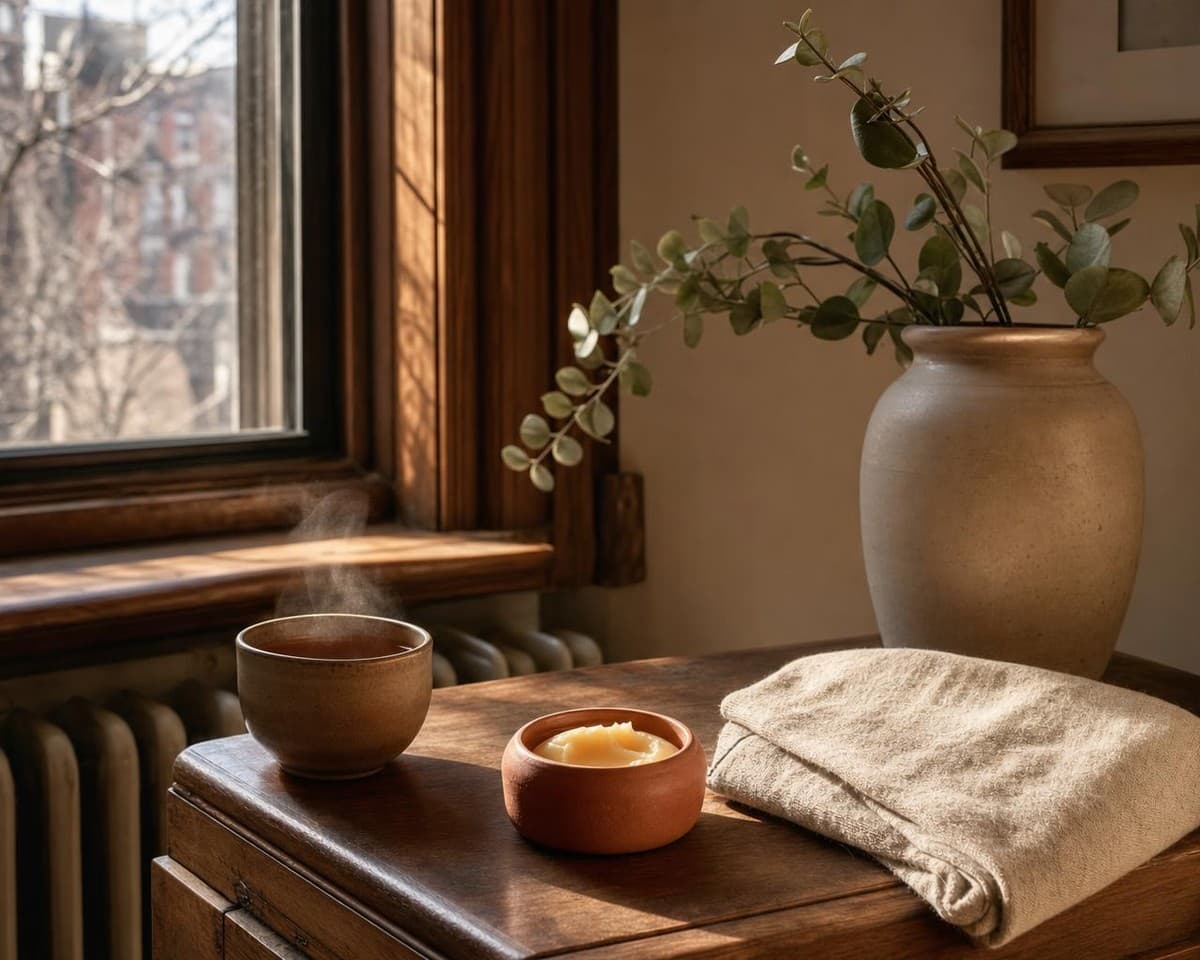
Pat your skin dry with a towel rather than rubbing. Within three minutes of getting out of the shower, while your skin is still slightly damp, apply a thick moisturizer. This locks in the water that's already on your skin and prevents the post-shower evaporative dryness that drives the itch-scratch cycle.
Step 3: Address the indoor air
A bedroom humidifier — running 40 to 50% humidity overnight — does more for winter eczema than most topical treatments. If you have a radiator with no humidity control, place a shallow pan of water on top. It evaporates slowly and adds meaningful moisture to the room.
Step 4: Topicals, when you need them
If the routine above isn't enough, that's where we come in. Short courses of topical steroids can break a flare quickly when used correctly. Non-steroidal options like tacrolimus or crisaborole are appropriate for sensitive areas like the face and eyelids. For stubborn or widespread cases, biologic injections like dupilumab have changed what's possible — and they're covered by most insurance plans for moderate-to-severe eczema.
When to come in
- If the itch is keeping you up at night.
- If you have any signs of infection — oozing, crusting, increasing redness or warmth.
- If over-the-counter hydrocortisone isn't helping within a few days.
- If your eczema is showing up in a new place or behaving differently than usual.
- If you're tired of the cycle and want a real plan that doesn't depend on you guessing.
Most patients we see for winter eczema leave with a four-step routine and a small prescription topical to keep on hand for flares. By January, most don't need to come back. That's the goal: enough of a routine that you stop thinking about your skin entirely.