
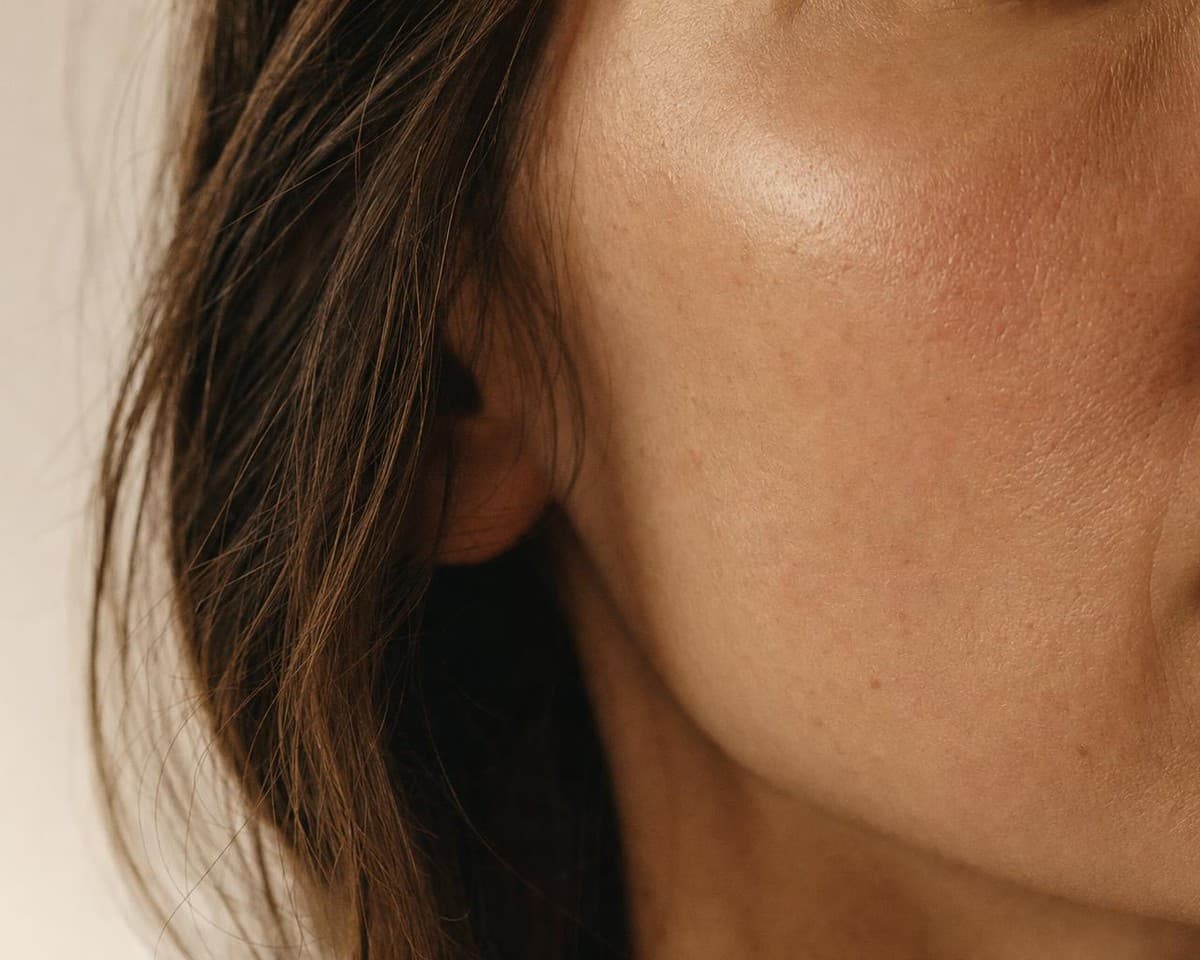
Patients in their early thirties come in asking the same question, sometimes with a phone open to an Instagram before-and-after: "Is it too early for Botox?" The honest answer is a soft "it depends" — and the more interesting answer is that the question itself is often the wrong one. Here's how we actually think about cosmetic dermatology in this decade.
What changes in your thirties
Collagen production starts declining by about 1% per year starting in your mid-twenties. By your mid-thirties, you'll start to see fine lines hold in your skin even when your face is at rest — most commonly across the forehead, between the brows, and at the outer corners of the eyes. These are called dynamic lines turning into static lines, and they're the first real cosmetic concern most patients notice.
What's actually worth doing
If you do nothing else cosmetic in this decade, do this: medical-grade SPF every morning, a retinoid (prescription tretinoin or over-the-counter retinol) most nights, and a vitamin C serum in the morning. These three things are not glamorous, but they do more for your skin over a decade than any single in-office treatment ever will.
Botox in conservative doses — what we call "baby Botox" — can be appropriate in your early thirties if you have specific dynamic lines that bother you and you understand it's a maintenance commitment, not a one-time fix. We tend to use lower units than younger patients elsewhere might receive, because the goal is softening, not erasing.
What's usually not worth doing yet
- Cheek or under-eye fillers — most thirty-somethings still have ample structural volume. Adding more often looks artificial.
- Aggressive laser resurfacing — this is more appropriate later, when sun damage has actually accumulated visibly.
- Lip fillers in volumes larger than a quarter syringe — the social-media-driven "big lip" look ages poorly and is hard to reverse cleanly.
- Anything you saw on a TikTok before-and-after. Curated lighting is doing more work than the treatment is.
The maintenance trap
The biggest mistake we see in this decade isn't doing the wrong treatment — it's starting too aggressively and creating an unsustainable maintenance schedule. Once you've seen yourself with smoother forehead skin, going back to baseline can feel like a regression. That's the addictive nature of cosmetic dermatology, and it's the reason a slow, consultative entry point matters.
A reasonable framework
If you're in your early thirties and curious: come in for a consultation, not a treatment. We'll talk about what you actually want to address, what skincare you already use, and what the realistic three-, five-, and ten-year picture looks like for each option. About half the patients who come in for a Botox consultation leave with a skincare regimen and no needle. That's not us being precious — it's us giving you the most efficient path to the outcome you actually want.