
ARTAS® iXi — robotic hair restoration, available in Brooklyn.
The most advanced robotic hair transplantation technology, performed by board-certified dermatology specialists — not a chain franchise. Natural, lasting results with virtually no downtime.
- FDA-cleared
- No linear scar
- Single-day procedure
- Permanent results
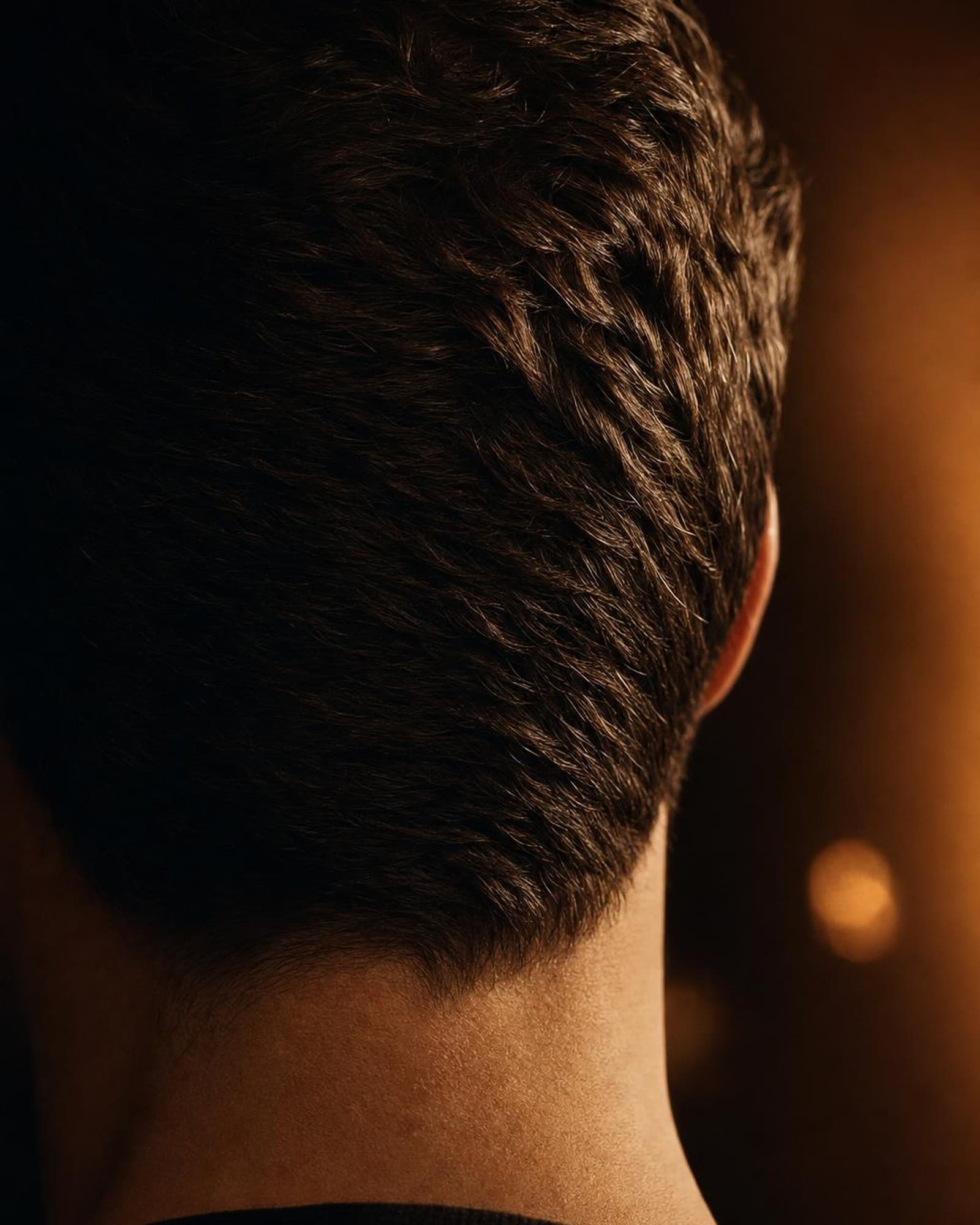
Hair transplantation, reimagined.
ARTAS iXi is a physician-controlled robotic system that performs Follicular Unit Extraction (FUE) — taking individual hair follicles from a healthy donor area (usually the back of the head) and placing them where you need them. The difference from traditional methods is precision: AI imaging identifies the strongest follicles, the robot harvests them at the perfect angle, and the survival rate is exceptionally high.
No scalpel. No linear scar. No strip of scalp removed. Just the follicles you already have, placed where you want them — by your own dermatologist.
Six reasons it outperforms the alternatives.
Compared to manual FUE and traditional strip surgery (FUT), the differences are significant and they matter — both for results and for recovery.
- 01
No linear scar
Unlike traditional strip surgery (FUT), ARTAS leaves only tiny, individual punctures that heal invisibly. You can wear your hair as short as you want.
- 02
Robotic precision
ARTAS uses AI-driven imaging to identify the strongest, healthiest follicles and harvest them at the optimal angle — better survival rates than the human hand alone.
- 03
Minimally invasive
Performed under local anesthesia in a single day. No general anesthesia, no scalpel, no overnight stay.
- 04
Fast recovery
Most patients return to desk work within 2–3 days. No bandages, no shaved donor area, no obvious signs you've had anything done.
- 05
Natural-looking results
Your own follicles, individually placed in a natural growth pattern. New hair grows in over 9–12 months — and it's permanent.
- 06
FDA-cleared
ARTAS is FDA-cleared for hair restoration, with thousands of procedures performed worldwide and a long safety record.
The best candidates have a few things in common.
Pattern hair loss, not diffuse thinning
ARTAS works best when there's a clear donor area with stable hair. Genetic male and female pattern loss is the most common indication.
Stable rate of loss
Hair restoration is most successful when active shedding has plateaued — usually patients 25+ for men, and post-menopausal or stable for women.
Good general health
ARTAS is an outpatient procedure under local anesthesia, but it's still surgery. We screen for conditions that could affect healing or follicle survival.
Realistic expectations
Hair restoration is transformative, but it's not a wig — we restore density and pattern, not a teenager's hairline. Our consultations are candid about what's achievable.
From consultation to full results.
Most patients move from consultation to procedure within 4–6 weeks. The procedure itself is one day. Final results take 9–12 months.
- Step 01
Consultation
An unhurried visit to evaluate your scalp, discuss your goals, and determine whether ARTAS is right for you. Includes a scalp analysis and projected results.
- Step 02
Planning
We design your hairline and graft distribution together — based on your face, your hair pattern, and how you actually want to look.
- Step 03
Procedure day
Single 5–8 hour session under local anesthesia. You're awake, you can read, watch a movie, or nap. We provide lunch.
- Step 04
Recovery
Mild tenderness for 2–3 days. Tiny scabs at the recipient sites fall off within 7–10 days. Back to normal activity (including exercise) within 2 weeks.
- Step 05
Results
Transplanted hairs shed within a few weeks (this is normal). New growth begins around month 3, with full results visible at 9–12 months.
Things patients usually want to know.
- How much does ARTAS cost?
- Cost depends on the number of grafts you need, which we determine during your consultation. We provide a clear, all-inclusive quote — no surprises on procedure day. Financing options available.
- Is it covered by insurance?
- Hair restoration is considered cosmetic and is not covered by insurance.
- Does it hurt?
- The procedure is done under local anesthesia — you're awake but the scalp is fully numb. Most patients describe minor soreness for 2–3 days after, similar to a sunburn.
- How soon will I see results?
- Transplanted hairs shed within a few weeks (normal and expected). New growth begins at month 3. By month 6, you'll see meaningful results. Full final results at 9–12 months.
- How long do results last?
- Permanently. The transplanted follicles are from your donor area, which is genetically resistant to thinning — they retain that property in the new location.
- Can women have ARTAS?
- Yes. Female pattern hair loss is one of the indications we treat. The candidacy criteria are slightly different — we discuss this in your consultation.
Find out if ARTAS is right for you. No commitment, no pressure.
Your consultation gives you a scalp evaluation, projected graft count, and clear pricing. If ARTAS isn't the right fit, we'll tell you — PRP therapy may be the better option for earlier-stage thinning.
Explore other services
Medical Dermatology
From everyday acne and eczema to skin cancer screening — comprehensive medical care for every age.
Cosmetic Dermatology
Botox, fillers, PRP for facial rejuvenation, and IPL for permanent hair reduction — performed by board-certified specialists, not technicians.
Surgical Dermatology
Shave biopsies, shave mole removals, non-surgical skin cancer treatment, and cyst drainage — all performed in our Bay Ridge office. No sutures.